
Control Systems
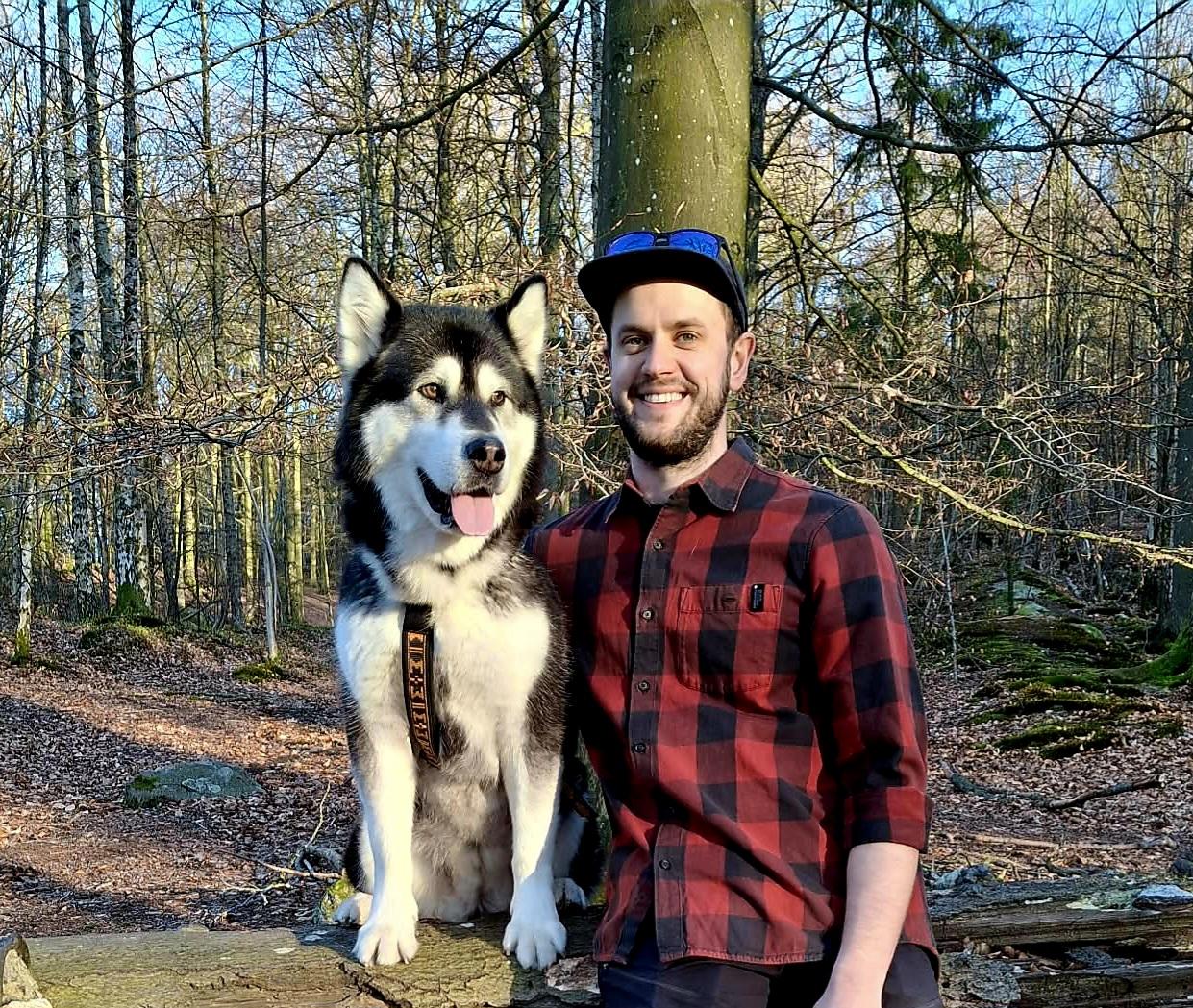
Meet Evert Häggman – Tech Lead Controls at Combine
Evert Häggman, Tech Lead Controls at Combine, answers nine questions about engineering, consultancy, AI and turning theory into real-world solutions.
Blog
Depth lives here and only here.
Control Systems
Evert Häggman, Tech Lead Controls at Combine, answers nine questions about engineering, consultancy, AI and turning theory into real-world solutions.

AI & Data Science
Sewage system management generates millions of data points — but are they being used? Here's what we found in more than one billion sensor readings.

AI & Data Science
Within the ACHT 2.0 project, Combine explored how we can build the foundations for AI at sea! The focus was not only on whether AI can technically perform the tasks, but also how it could be integrated safely and meaningfully into existing maritime workflows.
Control Systems
“Should we involve drones in our business?” By the time that question is asked, the market is often already crowded. Competitive advantage in the drone domain rarely comes from buying hardware early. It comes from choosing a different path — one grounded in early modeling, drone simulation, and system-level understanding.
AI & Data Science
Discover how Combine optimized Continuous Integration for data science and AI, creating faster feedback loops, clearer result tracking, and stronger data integrity. Learn how this new workflow boosts reliability, reproducibility, and confidence in every AI project.

AI & Data Science
Is the Kalman filter still relevant in the age of AI? Explore how deep learning and data-driven filters compare to classical Kalman methods, where each excels, and why the future lies in hybrid AI–Kalman approaches for dynamic systems and sensor fusion.
AI & Data Science
Is machine learning only a data-based number crunching method to model physical systems? No not necessarily, the auto-differentiation feature of modern machine learning tools has opened up possibilities to include physical principles in the training process. By using physical principles less training data is needed and the resulting model is typically better at generalizing and extrapolate outside the training data.
AI & Data Science
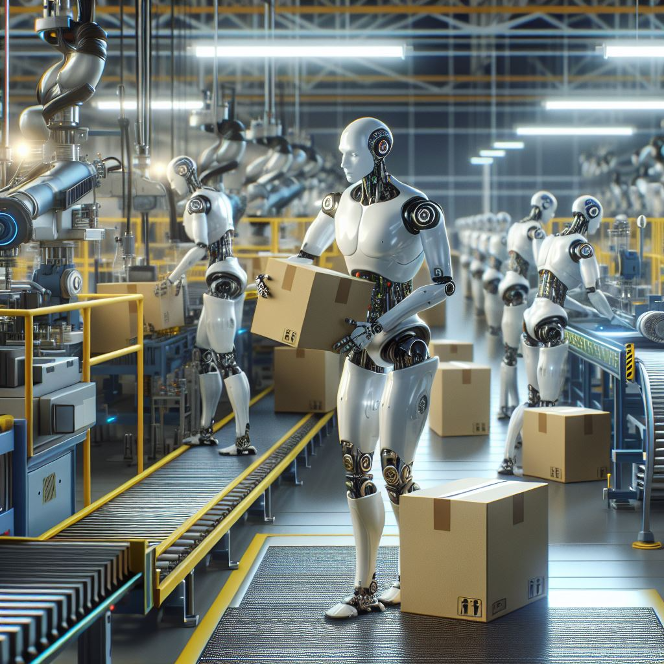
The AI revolution has accelerated at an unprecedented pace since OpenAI introduced its generative AI models to the world. These models have transformed industries by excelling in tasks involving language interpretation and image generation. However, these tasks are largely limited to one and two dimensions: language interpretation as a sequence of words (1D) and image generation in two dimensions (2D). A significant frontier remains largely unexplored: the application of generative AI in robotics, control systems, and real-world 3D environments where feedback mechanisms are essential for navigation and robustness.

Digital Twin
In today’s digital world, simulating complex systems is crucial for optimizing performance and reducing time to product. SimPy, a Python library for discrete-event simulation, offers a powerful way to create digital twins of real-world systems. Whether you're managing servers, queues, or—as we’ll explore—elevators, SimPy makes it easy to model and test different scenarios. Ready to see how it works? Let’s find out.

AI & Data Science
The European Union AI Act is a comprehensive regulatory framework proposed to govern the development and deployment of artificial intelligence within the EU. The goal is to secure a balanced and safe use of Artificial Intelligence technologies, at the same time as innovation and technical development is promoted. We at Combine has a broad knowledge of the act, how to comply and avoid sanctions and penalties. Don’t hesitate to contact us if you want to know more.

Control Systems
In the forefront of technological advancement, drone swarms emerge as a transformative force in the realms of aerial, underwater, and terrestrial exploration. These sophisticated assemblies, integrating robotics, artificial intelligence, and advanced sensor technologies, demonstrate unparalleled coordination and precision. From capturing panoramic aerial vistas and mapping the ocean floor to navigating challenging landscapes, drone swarms redefine the possibilities of exploration and surveillance. Join us as we delve into this revolutionary technology.
Control Systems
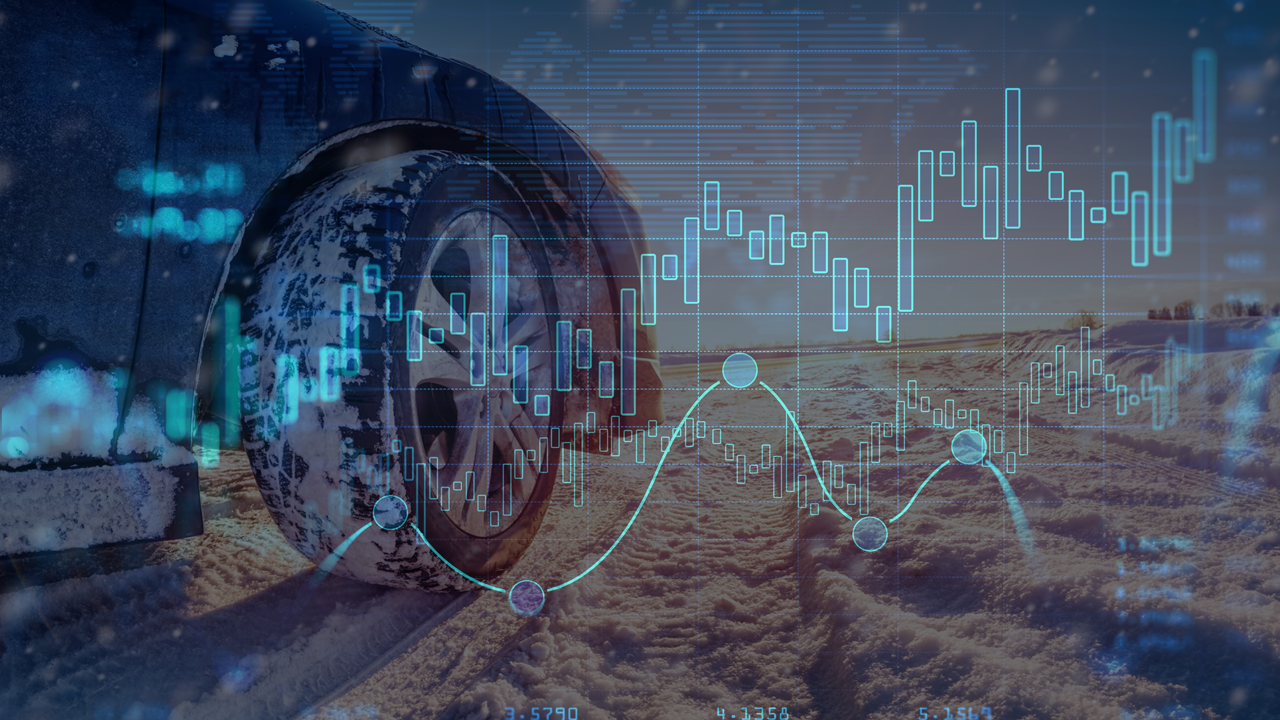
Given the current state of the industry-standard simulation tools, it is possible to reduce the development time of new products by 50% or more by employing software-in-the-loop (SIL) technologies in the design process. That is if you have the right model to simulate. What are the varying levels of complexity in vehicle modeling, which model to use, and how to use them? Let’s find out.

AI & Data Science
Combine’s internal team has taken on several types of data science projects during the last years. Seeing so many different projects in a short period of time reveals the similarities in the approaches and tools that an engineer will use. This has led to the decision to create our own technology platform, where all these different tools are generalized and maintained, which makes them available for all the different projects. The idea is that this will lead to a quicker start-up of projects, a better collaboration between engineers and projects that are easier to maintain.
AI & Data Science
Ever wondered about the invisible engines driving our digital world? Free and Open Source Software (FOSS) is part of mostly every major engineering component which powers our life. It is in Android phones as the linux kernel, in your banking apps, in the Operating Systems for every microcontroller in your car, everywhere in the web, where it powers engines, websites-generation toolkits, servers, and touches basically everything you can think of. However, despite its ubiquity, many people still wonder where is it, who owns it, how can I use it, and benefit from it. In this blog post we will try to answer some of those questions, delving into the actors, synergies, and logics of FOSS.

Control Systems
What is MBD? Is MBD too complex for my problem? Will MBD take too much time and slow down our development process? How does Model-based Testing (MBT) accelerate the testing process? Is it a good idea to consider MBT or simulations test results accurate? Do I need MiL, SiL or HiL testing for my system? This post will cover most of the questions regarding MBD and MBT and its feasibility with some use cases.

Control Systems
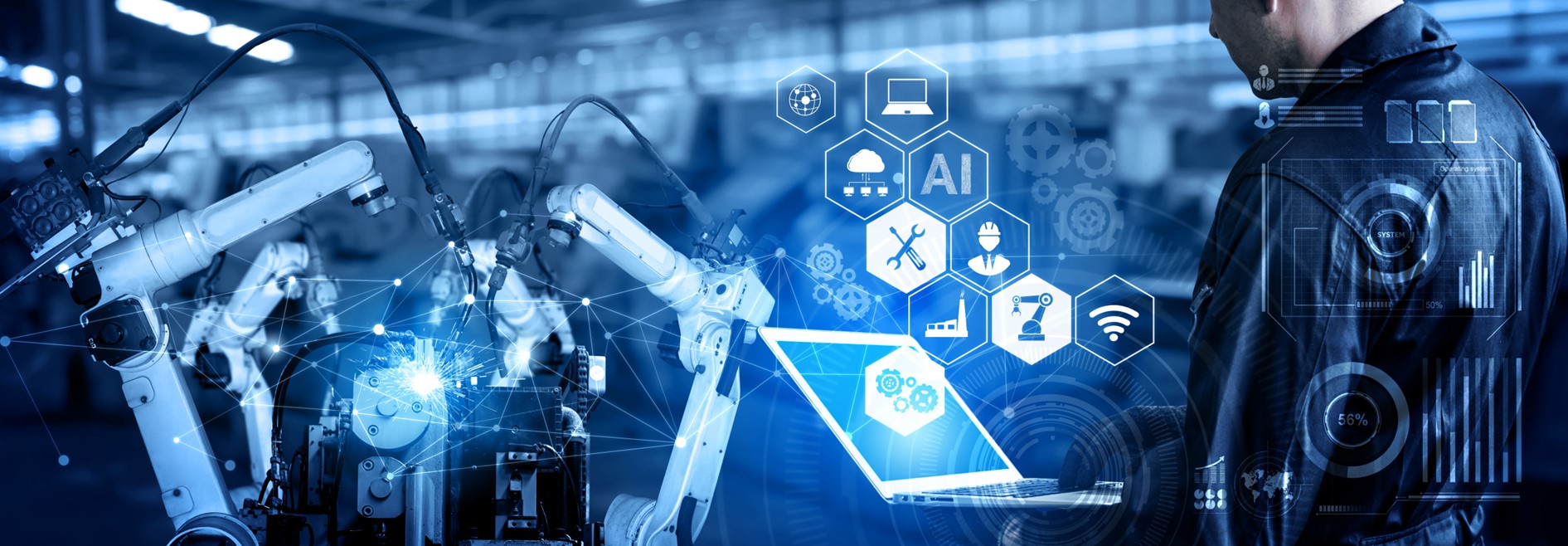
Control system engineering is fast-growing and has played a significant role in technology development over the last decades. This article reviews the evolution of control theory, methods, challenges, paradigm shifts, and the future of the field.
AI & Data Science
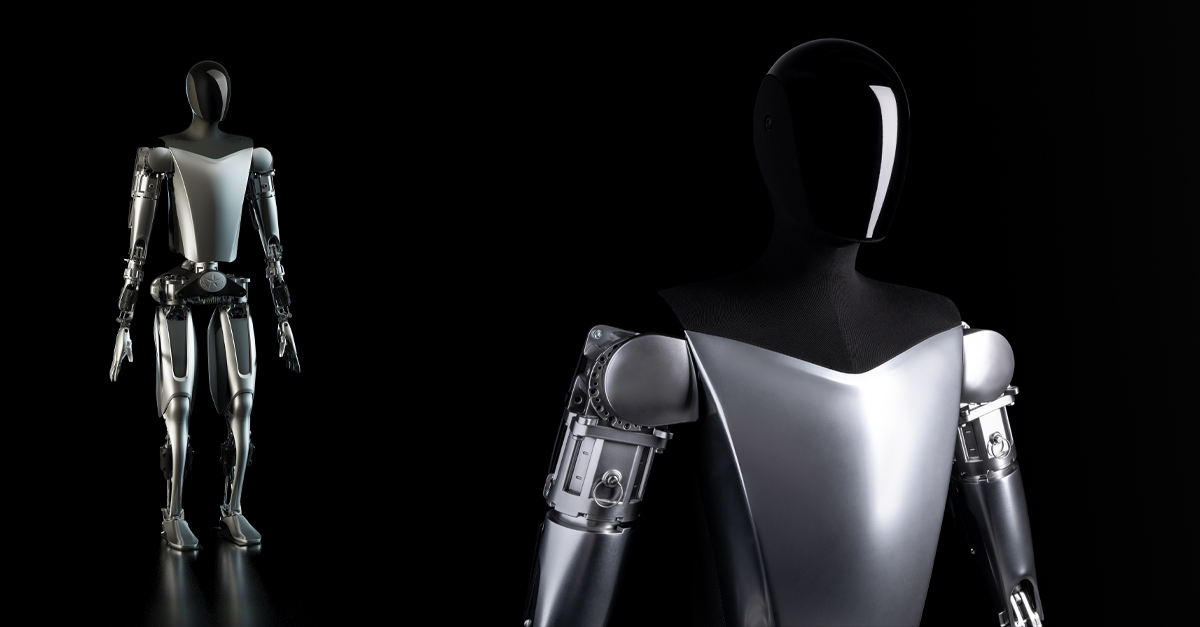
Autonomous Robots – not so different from autonomous cars according to Tesla. Introducing Optimus – Tesla’s AI bot.

Control Systems
Stefan Ristevski, Control Systems Consultant at Combine, recently presented two papers at AIAA SciTech Forum. His research was on the topics “Scheduling Local Information Exchange in Linear Multiagent Systems Through an Event-Triggering Approach” and “Experimental Results of a Quadrotor UAV with a Model Reference Adaptive Controller in the Presence of Unmodeled Dynamics”.
AI & Data Science
Many people see machine learning (ML) systems as black boxes. Some believe these black boxes contain pure magic and have the power to solve any problem at hand. Others do not trust them at all, for what cannot be explained cannot be counted on. ML is not all so mysterious, though. Just like any other fields of engineering, ML relies on applied mathematics and applied science, and it uses scientific principles to design, build and test a system so that it becomes reliable and works efficiently in real time. Implementing a simple KNN classifier can be your first step to demystify ML.

Control Systems
This blog post may refer to aeronautical applications but Combine have been implementing a model-based approach in a wide variety of industries since 2005. The time saved in the development process is essential for some industries, while quick testing and better products are the main benefits for others.

AI & Data Science
How relevant is technical debt? Knight Capital lost 465 million dollars in 45 minutes due to unexpected behavior from obsolete experimental code. Zuckerberg changed Facebook’s internal motto from the catchy "Move fast and break things" to "Move fast with stable infrastructure" in 2014. Also in 2014, Google researchers started to publish a series of articles on the (hidden) technical debt in machine learning (ML) systems. What’s scarier than owning technical debt is unconsciously owning technical debt. If the debt stays unnoticed, it will be compounding in silence and become unbearable eventually. As much of technical debt in ML systems is hidden, you should start knowing your enemy now.

Control Systems
An effective usage of irrigation water is required since the world's water demand is increasing. To develop irrigation controllers pursuing this purpose, reinforcement learning implementation could be an interesting step towards smarter automated controllers. This article investigates if Q-learning can be used in order to minimize irrigation amount.
AI & Data Science
Codex is the latest extension of OpenAI’s GPT-3 large transformer-based language model, pushing the limits of what artificial intelligence can do in the world of natural language generation. One of our engineers was given access to a limited release beta preview of the Codex API and this article explores some of the interesting things they discovered whilst playing around.
AI & Data Science
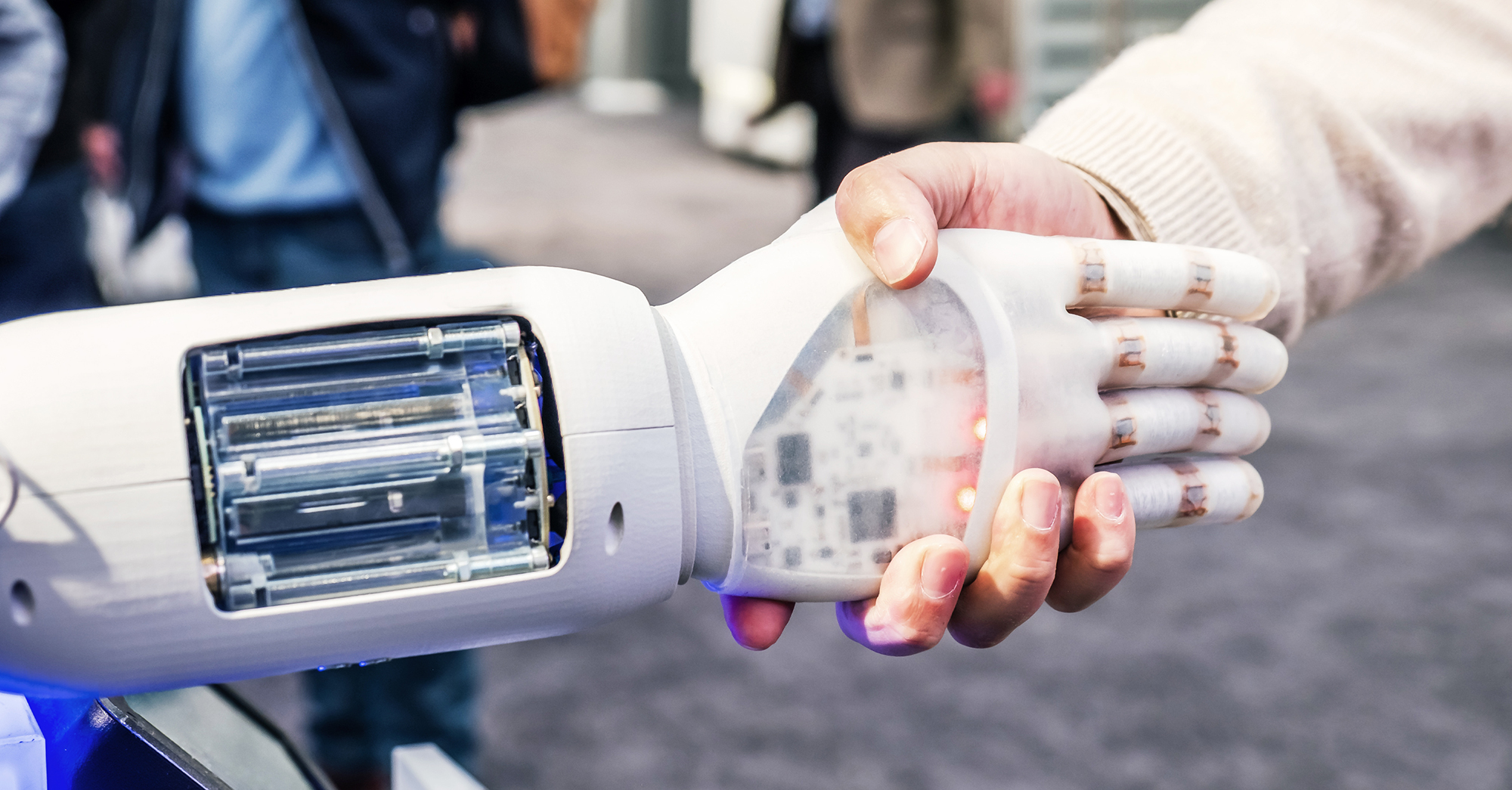
Collaborative robots – also known as cobots – have become more attractive compared to the traditional robots previously employed in industrial settings. The main features that distinguish cobots from industrial robots are their lightweight structure, limited power and force, simple interface, and inherent safety guarantees.

AI & Data Science
Tesla AI Day live stream on August 20 showcased recent improvements from their machine learning teams. Tesla has made it clear that the company intends to solve the problem of self-driving cars. Although the Tesla Bot caught a lot of attention (and undoubtedly is the most photogenic topic of the day), this post will address the other parts of the presentation.
AI & Data Science
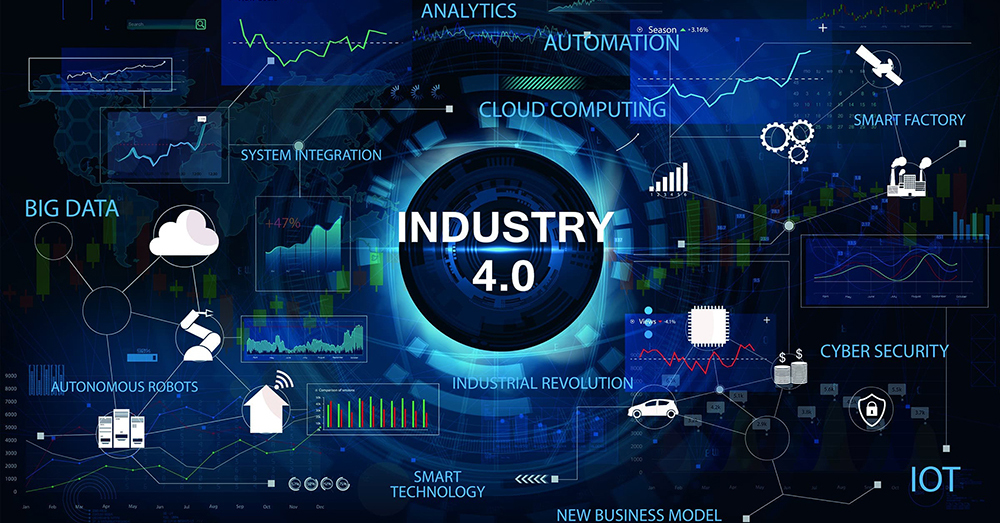
One big part of industry 4.0 is the introduction to big data. New sensors, actuators, and computational power will be introduced in new plants and existing plants. To minimize the environmental impact and the cost of the transformation, it would be great if the communication between the nodes could be done wirelessly. This article investigates how packet loss and transmission delay could be handled in a wireless plant.
AI & Data Science
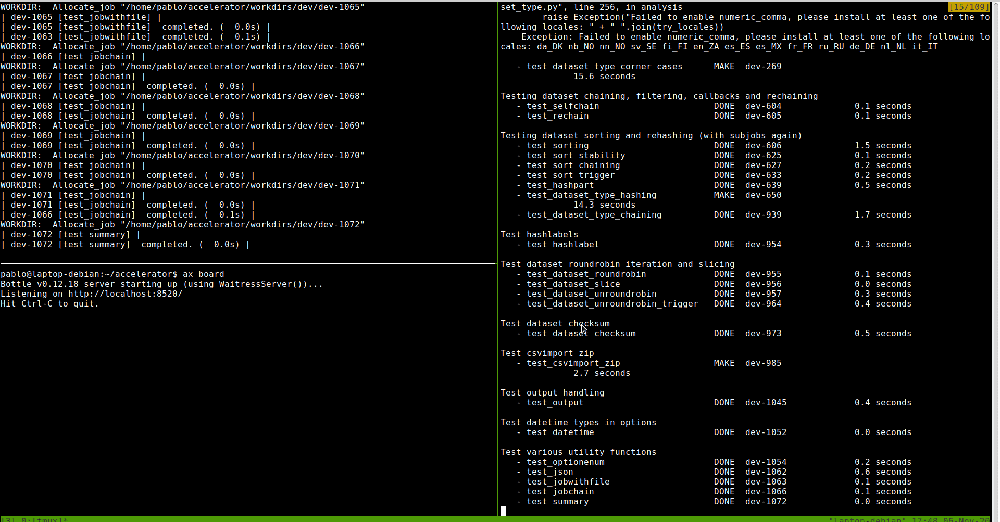
Some time ago, we presented a blog post where we discussed an efficient tool that we use internally for big-data projects: the Accelerator. In that post, we focused on the performance perspective, comparing it with Pandas. At that point, the features it was providing meant a big blast in the projects we developed, but it still required a bit of engineering effort for setup and configuration. Luckily, the developers of the project have spent a lot of time improving that caveat, providing a smooth installation path and therefore making it available to a much wider audience. In addition, latest version also includes some further improvements, like a new user interface that makes up for a better experience.

Control Systems
We often see the word 'fuel efficiency' being thrown around in our day-to-day life in places like pamphlets, brochures, or even advertisements. Just how important is fuel efficiency, and what pushes the automotive industry to strive towards greater fuel efficiency?

AI & Data Science
As part of Combine’s continued involvement in Ocean Data Factory Sweden, our team has collaborated with our partners to apply machine learning techniques to the compelling use case of underwater species detection in the Kosterhavet National Park on Sweden’s west coast.
Control Systems
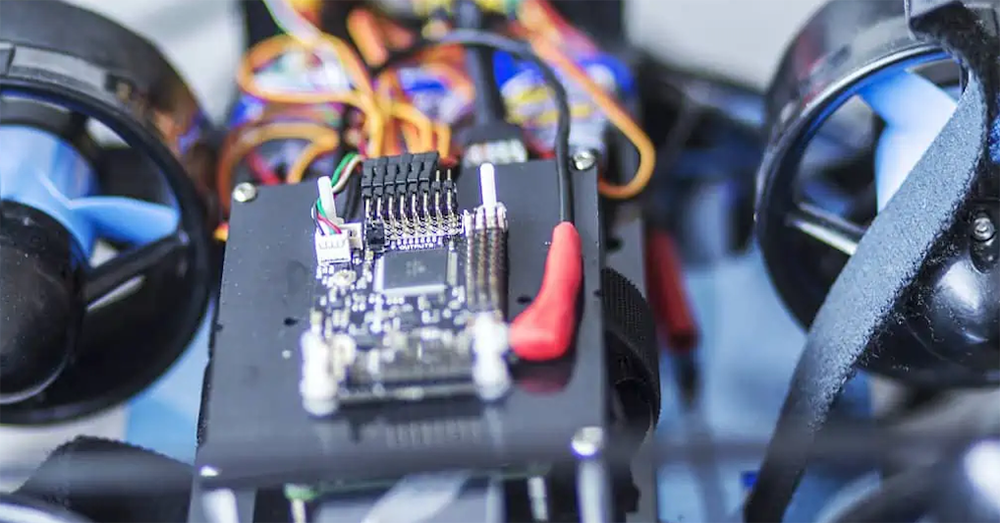
A few years ago, Combine purchased a small submarine. This vehicle is connected to a workstation with a long ethernet cable and is known as a ROV (remotely operated underwater vehicle). During several projects, some degree of autonomous capability has been added to the vehicle, and we are planning to turn it into a fully AUV (autonomous underwater vehicle) in the future. Students from Linköping University have performed most of the developing work and the ROV has been the focus of both master’s theses and project courses. At this moment, we have eight students working on creating a digital twin with an associated simulation environment. The plan is to make the software development as efficient as possible, removing the drawback of needing a pool for every test. The ROV is also an excellent platform to show interested people how to work with model-based development and how to set up HIL (hardware-in-the-loop) testing.
Control Systems
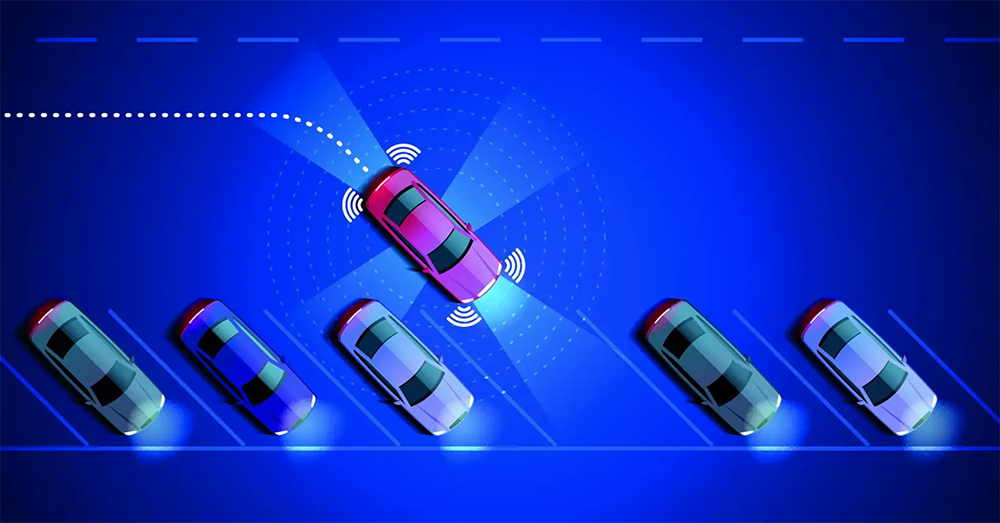
Model predictive control can be an excellent control method finding optimal control inputs to a system. At the heart of the control method is an optimizer. In this blog, you can read about three powerful optimization algorithms and how they perform when they control a vehicle in a complex scenario.

Sympathy for Data
After a turbulent spring, it is finally time to write about some of the new features of Sympathy for Data and the updates in the ecosystem we made earlier in 2020. Earlier this year, we released Sympathy for Data 2.0.0 which was the first version with two different editions, an open-source and an enterprise edition. In this blog post, we will follow up on some of the most exciting changes introduced in version 2.0.0 and the recently released version 2.1.0.

AI & Data Science
In the last months, Sweden has continued to see an increase in the number of cases and the number of deaths due to COVID-19. One issue that has become apparent in this time is the lack of information from some government agencies in Sweden in other languages than Swedish and English. This puts many in a vulnerable position and at an informational disadvantage that could be costly for everyone in Sweden. A presentation by Folkhälsomyndigheten last week confirmed that the proportion of cases among Sweden’s foreign-born population is much higher than their proportion of Sweden’s population.

Control Systems
The task of calibration is often time consuming, complex, and requires a good understanding of your system and a systematic workflow. We have noticed that some students, unfortunately, are anxious of control systems due to the endless hours spent on calibrating hardware in labs. The main issue often lies in the time it takes to try multiple sets of parameters. To address this problem, we have developed an application to aid calibration on hardware by enabling real-time calibration. In this post, we will describe the concept and how to use it.
AI & Data Science
There is currently discussions going on related to Machine Learning and Deep Learning and where this “new” technology will have its use. Does it actually need a super computer to run the algorithms or can you get it running in an embedded system. Since we are a company in the forefront of technology and exist in both Control Theory and Data Science domain we were intrigued by those discussions and wanted to try it out in practice. In this post we will present our findings from our thesis work doing just this!
AI & Data Science
How do you evaluate your guessing ability when you do not have the correct answer to compare to? The problem is very difficult to answer, so instead of answering it, can we change the problem? Looking at the complex problem of friction estimation for vehicles from a programming and data science approach, can we replace the existing problems with others that might be easier to solve, and if so, how well does that work?

AI & Data Science
Different games come with different challenges from a decision-making perspective. For this posting we will look at the following illustrative examples: - Chess - Bridge (cardplay only, not bidding) - Poker (Texas Hold’em) - Risk.

AI & Data Science
So you want to become a Data Scientist? You have followed the online tutorials step-by-step and gotten your first neural networks trained and performing well on the dataset you were given. Now you want to try to do something on your own.. but how? Here we will go through an example process of setting up your first very own deep learning problem and how to solve it. All the way from data collection to final model.

Control Systems
Those who encountered control, communication or other dynamic systems during school time, they dealt most of the time with block diagrams, state machines, electrical circuits or other visual methods to address the design of complex problems. Model-based design methodology will let you easily utilize these experiences when you design embedded software. Besides the simplicity of the design, it has many other assets. However, it is not commonly used in all industries, and in this article, we briefly show why this methodology should be adopted in more industries.

AI & Data Science
Today when notions such as deep learning, machine learning and even artificial intelligence (AI) is reaching the mainstream media it is easy to think that an AI revolution is just around the corner. Many people forget that AI have always been “just around the corner” for the last 60 years and the place where we stand today build on many incremental improvements as well as many false starts. It's easy to forget that there already exists many tried and proven techniques for image processing that does not require the latest advances in deep learning, and that under the right circumstances can be better to use.

AI & Data Science
Sometimes you have analog devices that you want to interface to your data processing pipeline but that you cannot retro-fit with a digital interface. Examples can range from reading a pressure valve in an expensive machine to simply trying to tell the time from this old-style alarm clock. Let’s see if we can do this using Sympathy for Data, a web camera, a 3D printer and a few LED’s that was laying around.
What comes next
A board asking about AI, a pilot that stalled, years of measurements nobody looks at. Tell us where you are and we'll tell you what's possible.
kontakt@combine.se